Mental Health Wellness for Mums in the Middle East: A Practical Guide to Emotional Balance, Support, and Self Care
May 8, 2026
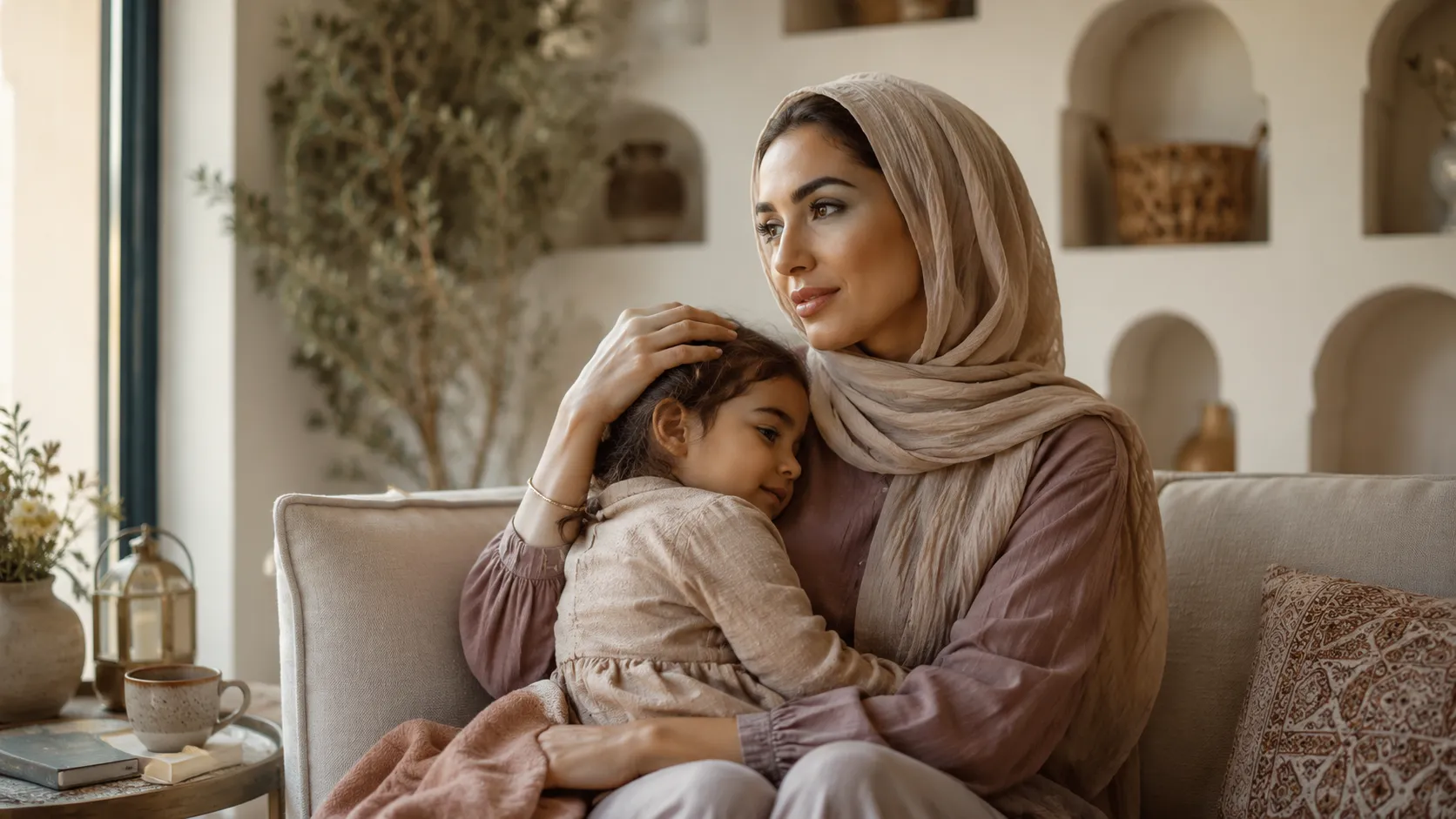
Motherhood in the Middle East is often surrounded by love, family, tradition, and deep cultural value. A mother is seen as the heart of the home, the emotional center of the family, and the person who keeps everything together. But behind this beautiful role, many mums are silently carrying stress, anxiety, exhaustion, guilt, and emotional pressure.
Mental health wellness for mums is not a luxury. It is not selfish. It is not something to think about only when things become unbearable. It is an essential part of family health, child development, marriage, work life, and personal wellbeing.
Across the world, many pregnant women and new mothers experience depression, anxiety, or other mental health difficulties. The World Health Organization reports that around 10 percent of pregnant women and 13 percent of women who have recently given birth experience a mental disorder, mostly depression. In developing countries, these numbers can be even higher, reaching 15.6 percent during pregnancy and 19.8 percent after childbirth. (World Health Organization)
In the Middle East, the challenge is not only the emotional pressure itself. It is also the silence around it.
Why maternal mental health matters in the Middle East
Many mothers search online for phrases like “mental health for mums,” “postpartum depression symptoms,” “mom burnout,” “anxiety after giving birth,” “how to deal with motherhood stress,” or “emotional support for mothers.” These searches often come from women who are tired, confused, ashamed, or afraid to speak openly.
In many Middle Eastern families, motherhood is expected to feel natural and joyful. A new mother may hear comments like “You should be grateful,” “Every woman goes through this,” or “You just need to be stronger.” While these comments may be meant to encourage, they can make a mother feel even more alone.
Maternal mental health includes emotional, psychological, and social wellbeing during pregnancy, after birth, and throughout the parenting journey. It affects how a mother thinks, sleeps, eats, connects with her baby, communicates with her partner, manages family pressure, and copes with daily responsibilities.
When a mother is emotionally well, she is more able to respond calmly, make decisions, ask for help, and enjoy meaningful moments with her children. When she is overwhelmed for too long, the whole family can feel the effect.
Common mental health challenges mums face
Mental health struggles do not always look like crying all day or being unable to get out of bed. For many mums, emotional distress appears quietly.
A mother may feel constantly irritated, emotionally numb, guilty, exhausted, or disconnected from herself. She may overthink every decision, fear something bad will happen to her baby, lose interest in things she once enjoyed, or feel that she is failing even when she is doing her best.
Common challenges include:
Postpartum depression
Postpartum depression is more than normal tiredness or short term “baby blues.” Baby blues usually start shortly after birth and may include mood swings, crying, anxiety, and sleep difficulty, but they often improve within around two weeks. Postpartum depression is deeper, lasts longer, and may require professional support. (Mayo Clinic)
Postpartum anxiety
Many mothers do not realize that anxiety after childbirth is also common. It may include racing thoughts, panic, constant checking, fear of harm coming to the baby, difficulty relaxing, or feeling on edge all the time.
Mom burnout
Mom burnout happens when a mother gives and gives without enough rest, appreciation, privacy, or support. She may feel emotionally empty, resentful, detached, or unable to keep up with daily demands.
Pregnancy stress and anxiety
Mental health concerns can begin before birth. Some women experience fear about delivery, body changes, financial pressure, health concerns, or relationship tension during pregnancy.
Working mum stress
Many mothers in the Middle East are balancing children, careers, marriage, extended family expectations, and household responsibilities. Even successful professional women may feel guilty for working and guilty for resting.
Identity loss after motherhood
Some mums feel they have disappeared behind the role of “mother.” They may miss their old confidence, friendships, body, freedom, ambitions, or emotional space.
The cultural pressure on mothers
In Middle Eastern culture, family connection can be a powerful source of support. Grandmothers, sisters, aunties, cousins, and neighbors may help with childcare, food, advice, and emotional comfort. But family involvement can also become overwhelming.
A mother may receive constant opinions about breastfeeding, sleep routines, discipline, weight, work, clothing, baby care, or how much time she spends with her children. Instead of feeling supported, she may feel judged.
There is also pressure to look strong. Many women avoid saying “I am not okay” because they fear being seen as weak, ungrateful, dramatic, or a bad mother. This stigma can delay support.
For mums in Lebanon, the Gulf, Saudi Arabia, Jordan, Egypt, the UAE, Qatar, Kuwait, Bahrain, Oman, and across the wider Middle East, mental wellness must be understood within family, culture, religion, work, financial pressure, and social expectations.
A mother’s wellbeing is not separate from her environment. It is shaped by how much support she receives, how safe she feels to speak, and whether her emotional needs are respected.
Signs a mum may need more support
Every mother has hard days. But support becomes important when emotional distress continues, becomes intense, or affects daily life.
A mum may need help if she experiences ongoing sadness, panic, anger, hopelessness, constant guilt, difficulty bonding with her baby, loss of appetite, overeating, insomnia even when the baby sleeps, extreme tiredness, intrusive thoughts, or thoughts of self harm.
If a mother has thoughts of harming herself or her baby, this is urgent and she should seek immediate medical or emergency support. Severe maternal distress can become dangerous when left unaddressed, and the WHO notes that in severe cases it may increase the risk of self harm or suicide. (World Health Organization)
Seeking help does not mean a mother has failed. It means she is protecting herself and her family.
How mums can support their mental wellness
Mental wellness does not require a perfect routine. Most mothers do not have hours of free time, especially with babies or young children. The goal is not perfection. The goal is small, consistent care.
1. Name what you are feeling
Many mothers say “I am tired,” but underneath the tiredness there may be sadness, loneliness, anger, fear, resentment, or grief. Naming the feeling helps reduce shame and gives the mind a clearer path toward support.
Instead of saying, “I am a bad mother,” try saying, “I am overwhelmed and I need help.”
2. Ask for specific help
General requests like “I need help” may be ignored or misunderstood. Specific requests work better.
For example:
“Can you watch the baby for 30 minutes so I can shower?”
“Can you handle dinner tonight?”
“Can you come with me to the doctor?”
“Can you listen without giving advice?”
Mums do not need to earn rest by collapsing first.
3. Protect sleep where possible
Sleep deprivation can strongly affect mood, patience, memory, appetite, and anxiety. While uninterrupted sleep may not be realistic with a baby, mothers need practical support to get longer rest periods.
Families can help by sharing night duties, allowing the mother to nap without guilt, reducing unnecessary visits, and respecting quiet time.
4. Create emotional boundaries
Boundaries are not disrespectful. They are a form of protection.
A mother can love her family and still say:
“I appreciate your advice, but I will follow my doctor’s guidance.”
“We are not receiving visitors today.”
“I need some quiet time.”
“I am not discussing my body or weight.”
In cultures where family opinions are strong, boundaries may feel uncomfortable at first. But they can reduce stress and protect the mother’s emotional space.
5. Stay connected to yourself
Motherhood changes life, but it should not erase identity. A mum needs moments that remind her she is still a whole person.
This may include prayer, journaling, walking, reading, talking to a friend, skincare, gentle exercise, creative work, learning, or simply sitting quietly with tea.
Self care for mums is not only spa days or expensive treatments. Sometimes it is privacy, sleep, silence, movement, or one honest conversation.
6. Speak to a professional
Therapy, counseling, coaching, or medical support can help mothers understand what they are experiencing and develop healthier coping tools. Postpartum depression, anxiety, trauma, and burnout are not character flaws. They are real experiences that deserve proper care.
In the Middle East and North Africa, mental health and psychosocial support for pregnant women and new mothers is increasingly being recognized as a public health priority, including through regional work on integrating mental health support into primary health care. (UNICEF)
How families can support mums
A mother’s mental wellness should not be her responsibility alone. Families play a major role.
Partners can support by sharing childcare, noticing emotional changes, attending appointments, reducing criticism, and asking “What do you need today?” instead of assuming.
Grandparents and relatives can support by offering practical help without taking control. Cooking, cleaning, babysitting, or helping with school runs can be more useful than giving constant advice.
Friends can support by checking in gently, listening without judgment, and not comparing motherhood experiences.
The best support sounds like: “You are not alone. You are doing a lot. How can I help?”
Mental wellness for mums is family wellness
When mothers are supported, families become healthier. Children benefit from emotionally available caregivers. Partners communicate better. Homes become calmer. Mothers feel less alone.
Mental health wellness for mums in the Middle East must include real conversations about postpartum depression, anxiety, stress, burnout, guilt, family pressure, and the emotional reality of motherhood.
A mother can love her children deeply and still feel overwhelmed. She can be grateful and still need rest. She can be strong and still ask for help.
The message every mum needs to hear is simple: your wellbeing matters too. You are not only a mother. You are a human being with needs, feelings, limits, and a right to support.
Related Articles

Mental Health Wellness for Children in Broken Homes: Supporting Children Through Divorce, Separation, and Family Conflict
Read More →
Mental Health Wellness for Teenagers in the Middle East: A Guide for Parents, Schools, and Families
Read More →